In 2025, our role in building evidence-based systems expanded – from opening up access to research and strengthening the global evidence architecture, to embedding evidence in schools and governments, and translating it for teachers.
Annual Report
2025
Advancing evidence where it matters most.

Klaus J. Jacobs
I always felt driven to ensure that children have a good future ahead of them.

The Jacobs Foundation was established in 1989 by Klaus J. Jacobs and his family, driven by a singular vision: to improve the education and development of children and youth around the world. From its beginning, the Foundation has been committed to advancing evidence-based solutions that give every child the opportunity to thrive.
In 2025, the Jacobs Foundation surpassed 1 billion Swiss francs in cumulative giving — 1 billion invested in the learning and development of children.
But this is not a retrospective milestone, it is a forward-facing commitment.
It signals our determination to take what we have learned over more than three decades and apply it with greater scale and with deeper ambition.
In the same year, we assumed full control over our assets and have started to implement our own investment strategy. This step strengthens our ability to act decisively and to invest patiently — in discovery research, and in systemic reform — even amid global funding volatility.
The global education landscape is shifting. Major financing flows have contracted. Priorities are being reassessed. Yet, within this disruption lies opportunity. Progress in education has never depended on funding alone, rather it depends on whether resources are directed where they create the greatest impact.
The challenge before philanthropy is not simply to mobilize more resources, it is to mobilize better resources. To ensure that every franc, every dollar, works harder by being guided by evidence.
Highlights
2025 in review: transforming education around the world

News
25 March 2025
One year of CEPE: Strengthening Education Through Evidence in Colombia
March 2025 marks one year since the inception of Colombia Evidencia Potencial en Educación (CEPE) , one of our innovative country programs dedicated to embedding evidence into Colombia’s education system Designed to foster collaboration between researchers, policymakers, and educators, CEPE is focused on improving learning outcomes through three key components: Over the past year, CEPE has […]
News
08 May 2025
LEVANTE welcomes first cohort of participating sites to global research network
The Jacobs Foundation is pleased to announce the first cohort of participating sites selected to join the Learning Variability Network Exchange (LEVANTE)—its flagship global initiative focused on advancing our understanding of children’s learning variability. Following a highly competitive call for proposals in August 2024, which attracted 182 applications from around the world, six sites have now been selected […]
News
28 May 2025
The Jacobs Foundation announces SCALE: a landmark initiative to transform education in Ghana
The Jacobs Foundation is pleased to announce the launch of the System Change Architecture for Learning Excellence (SCALE)—a groundbreaking multi-stakeholder initiative designed to strengthen education systems and improve learning outcomes in Ghana. In partnership with the Ghanaian Ministry of Education, SCALE aims to significantly enhance the successful Ghana Accountability for Learning Outcomes Project (GALOP). Building […]
News
16 June 2025
Reimagining evidence use in Community-led Learning Ecosystems
A new learning brief and in-depth report from the Jacobs Foundation, developed in collaboration with On Think Tanks, explore how Community-led Learning Ecosystems (CLLEs) are using evidence to improve education outcomes in context-specific and sustainable ways. Drawing from interviews with practitioners and case studies across a range of geographies, the research offers insights into how […]
News
22 September 2025
Education funders and partners unite to strengthen global evidence use to accelerate learning
In a landmark step for education, 24 leading organizations have come together to back a central resource that will make evidence on what works for children and learning more accessible, actionable, and globally relevant. This kind of collective action is rare: while billions are spent each year on education, too little of it is guided […]
News
17 November 2025
Professor Hirokazu Yoshikawa awarded the 2025 Klaus J. Jacobs Research Prize
On Friday, 14 November 2025 in Zürich, the Jacobs Foundation awarded Professor Hirokazu Yoshikawa with the 2025 Klaus J. Jacobs Research Prize for his outstanding contributions to early childhood development. Yoshikawa, Courtney Sale Ross Professor of Globalization and Education at New York University (NYU) Steinhardt and co-founder of Global TIES for Children, has devoted his career to […]


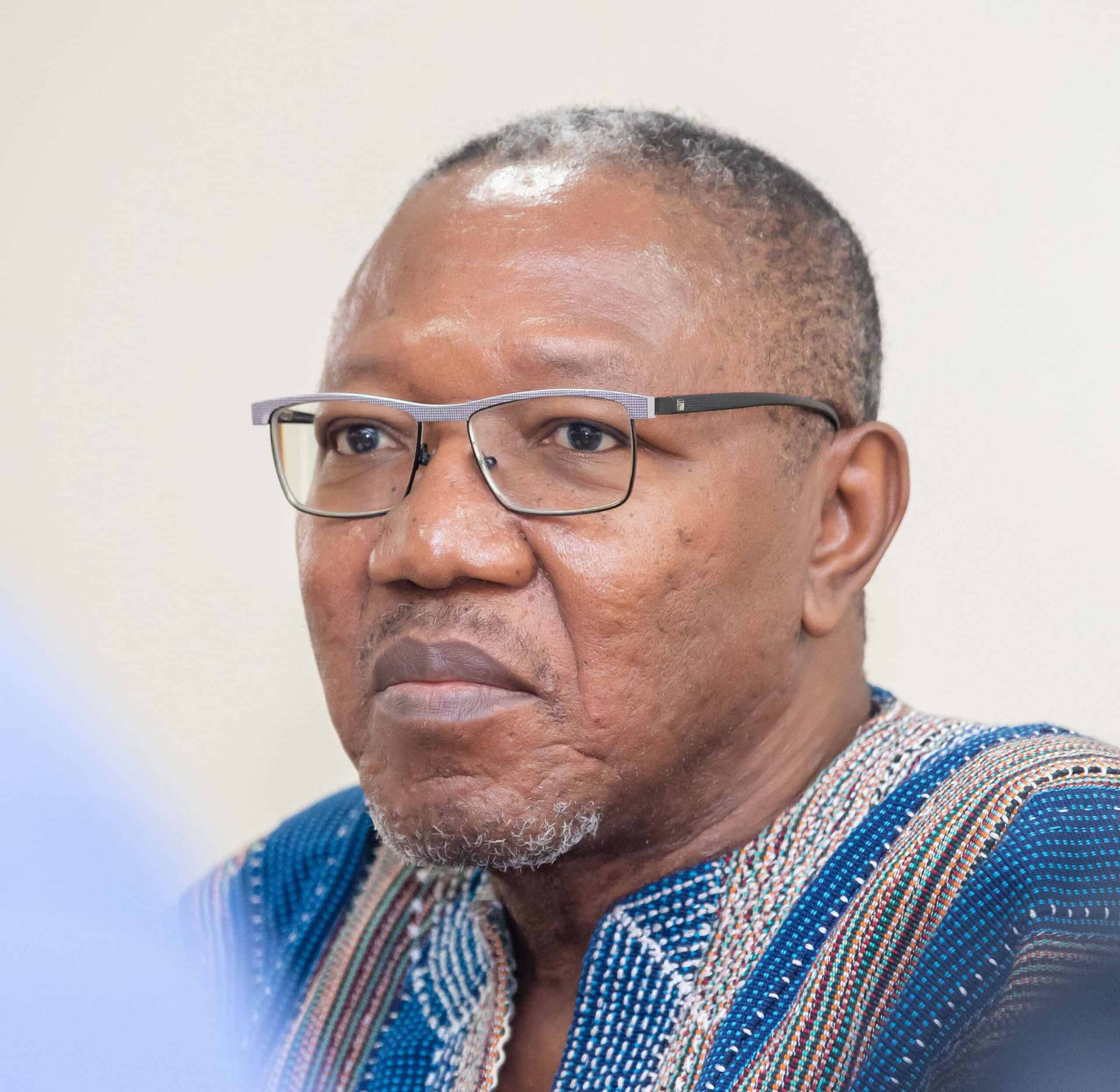

Cecilia Calero
Principal Investigator at the Universidad Torcuato Di Tella LEVANTE site
Cecilia Calero
Principal Investigator at the Universidad Torcuato Di Tella LEVANTE site
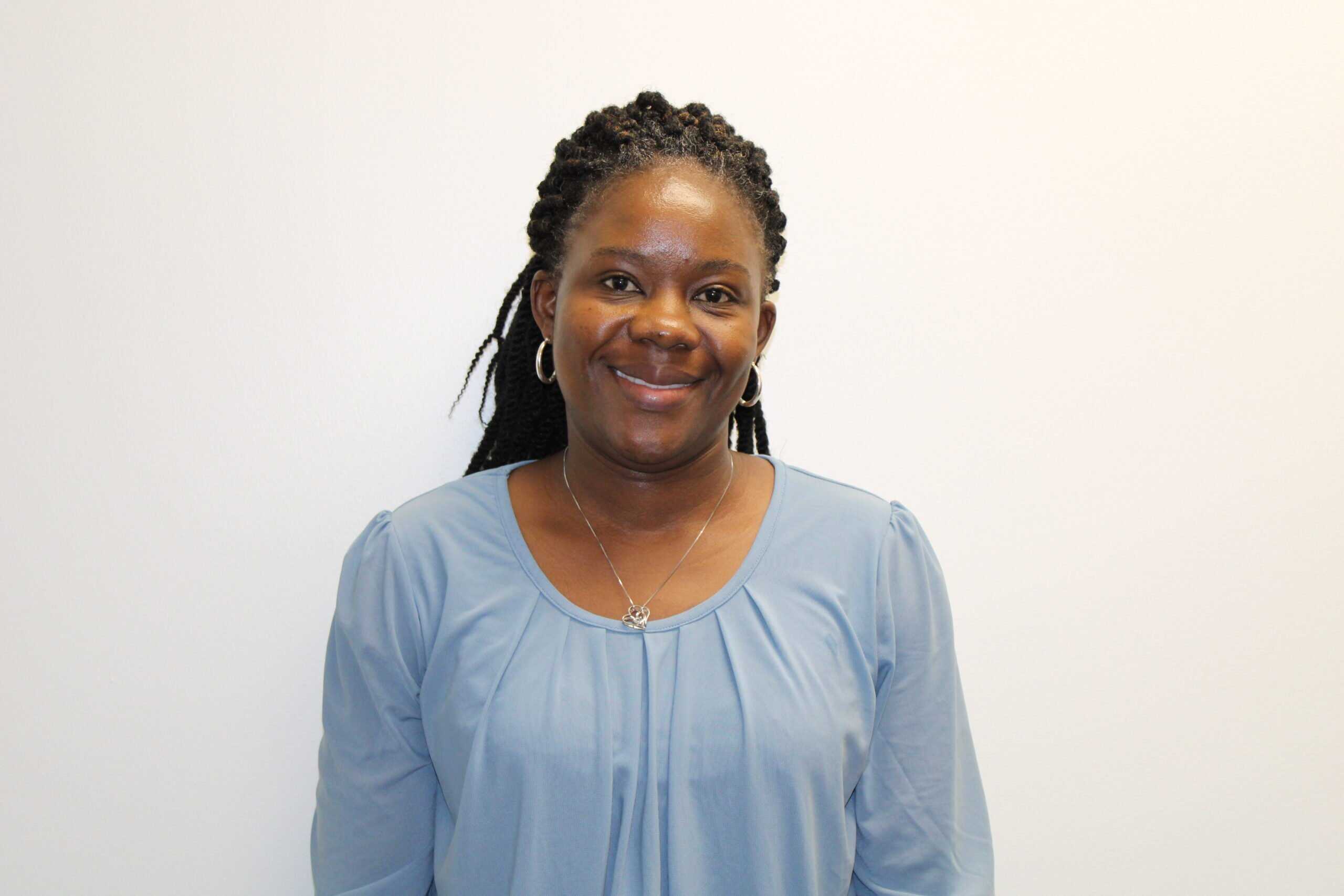
Brenda Wawire
2025-27 Jacobs CIFAR Research Fellow
Brenda Wawire
2025-27 Jacobs CIFAR Research Fellow
James Canton
Deputy Director for Innovation and Public Policy at the Economic and Social Research Council
James Canton
Deputy Director for Innovation and Public Policy at the Economic and Social Research Council
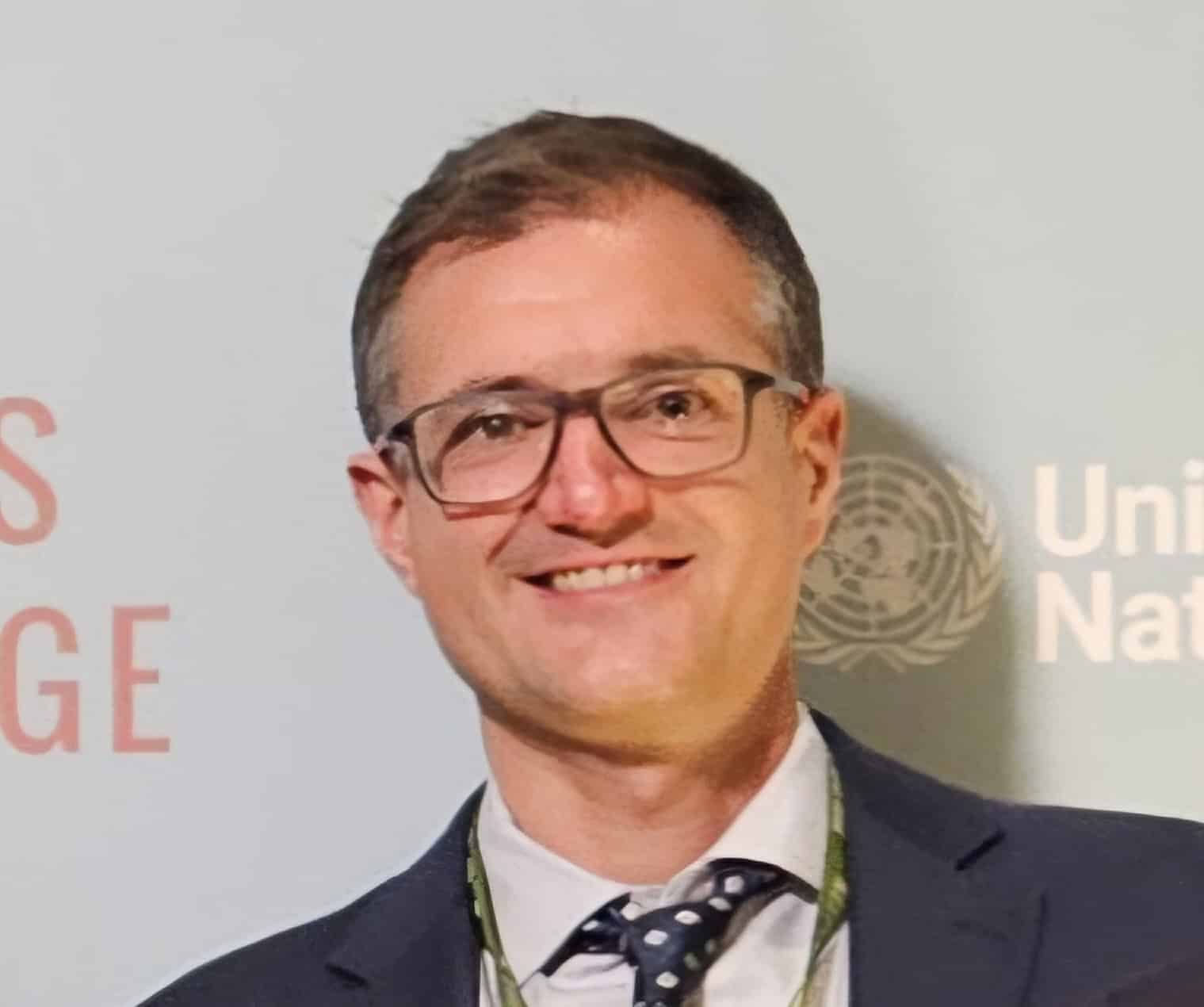
Dr. Yves Karlen
Professor of Secondary Education, University of Zürich
Dr. Yves Karlen
Professor of Secondary Education, University of Zürich
Dr. Clement Abas Apaak
Deputy Minister of Education, Ghana
Dr. Clement Abas Apaak
Deputy Minister of Education, Ghana
Alison Spence Montillet
English Language Educator & CLIL Practitioner
Alison Spence Montillet
English Language Educator & CLIL Practitioner
Learning Outreach
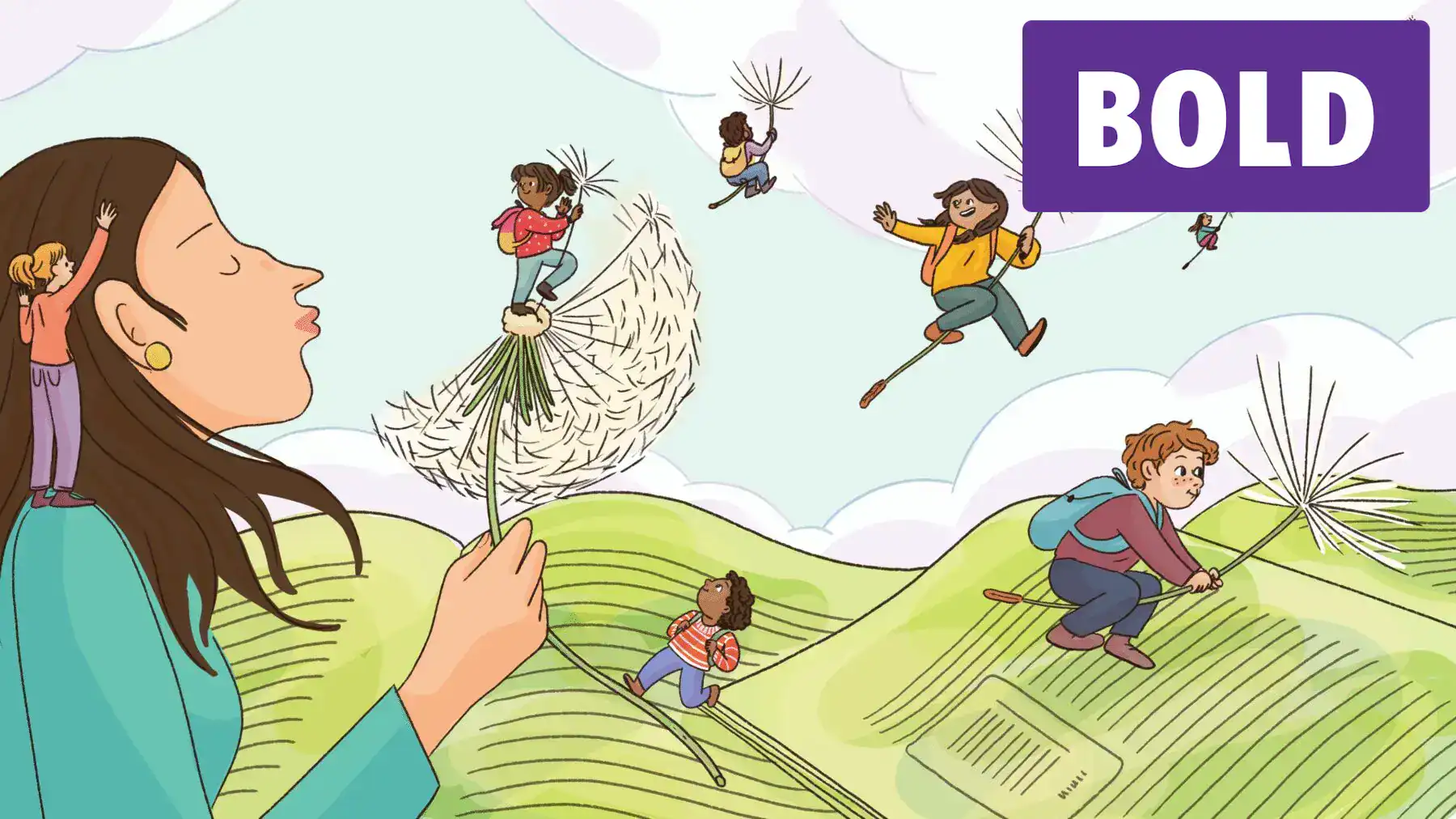
Through our two free digital platforms, the Digital Museum of Learning and BOLD, we make research more approachable without losing sight of its rigor, helping people connect everyday decisions to what the evidence says about how children learn and thrive.

0
new BOLD publications

0
new interviewees

0
new educators signed up

0
countries visited Digital Museum of Learning
The Jacobs Foundation in Figures
Projects Approved in 2025 by Portfolio
109m
Global Evidence Architecture
17
Global Research Programs
31
West Africa
20
Colombia
34
Switzerland
3.8
Learning Outreach
3.0
Charitable Activities
0.5
All numbers are rounded to the nearest million.
Payments for Projects in 2025 by Portfolio
28m
Global Evidence Architecture
1.4
Global Research Programs
12
West Africa
3.5
Colombia
0.1
Switzerland
5.5
Learning Outreach
4.7
Charitable Activities
0.6
CHF
0bn
Cumulative Grants
CHF
0m
Projects approved in 2025
CHF
0m
Payments to projects in 2025
Read the Interactive Annual Report
Download the Annual Report