

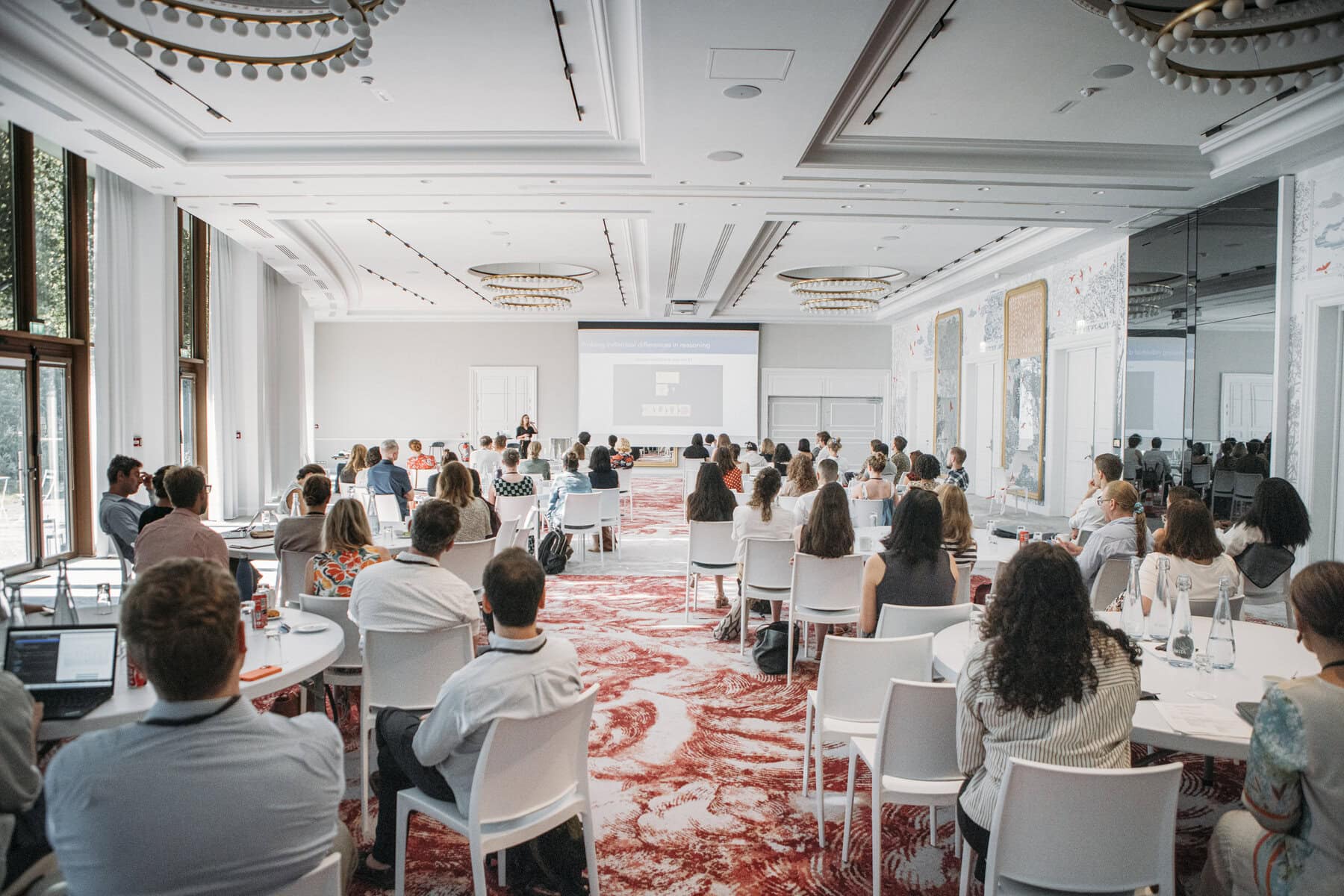
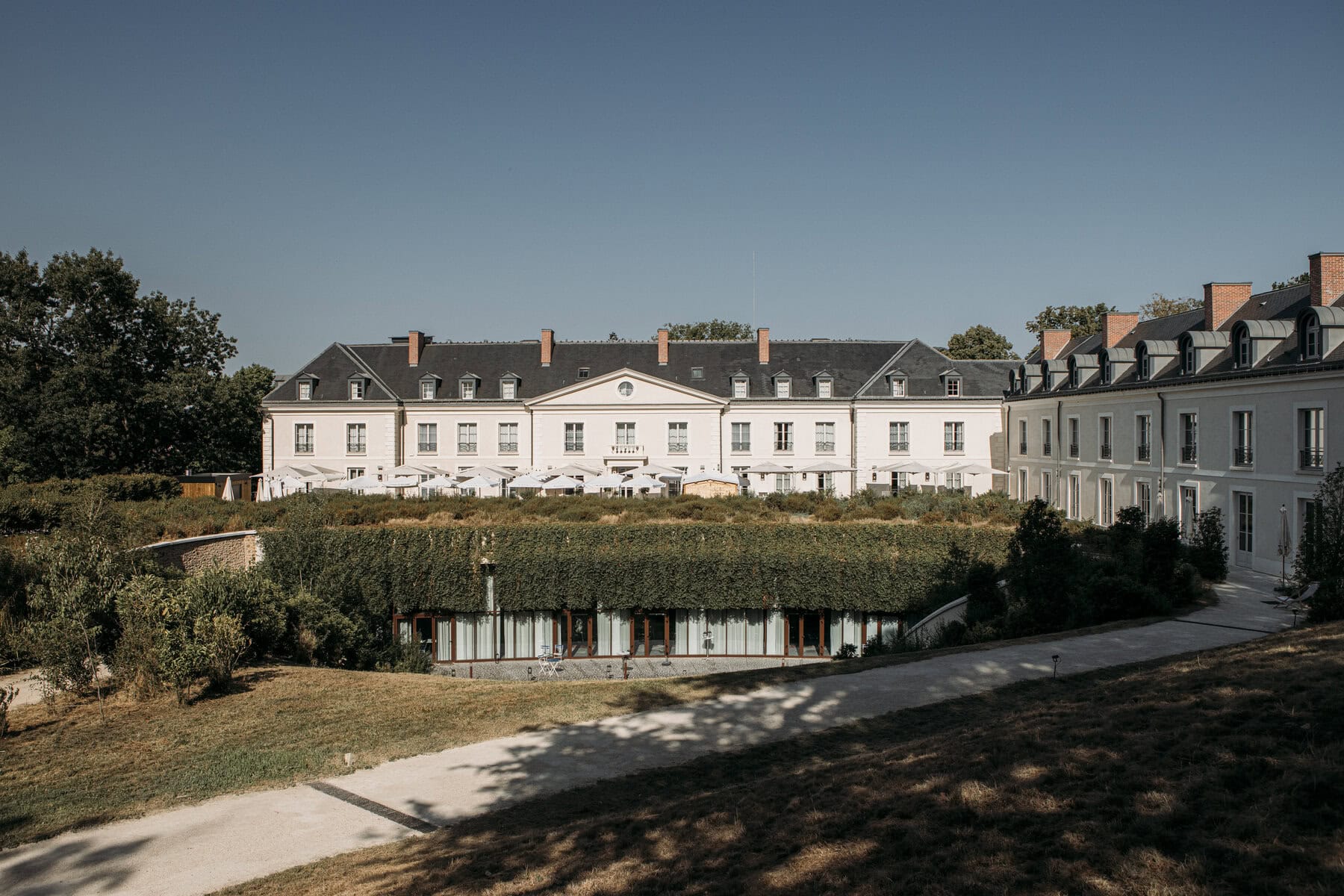
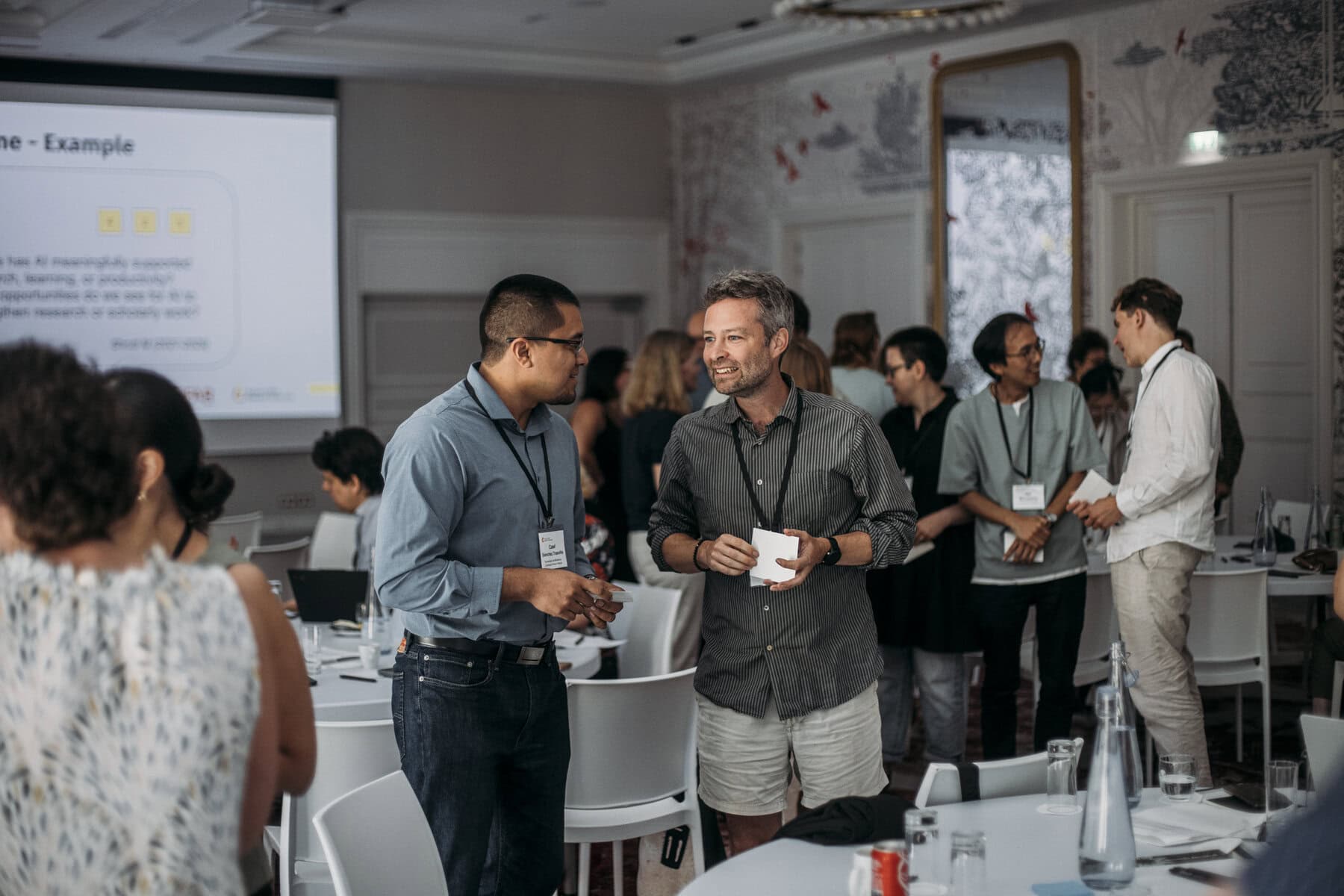
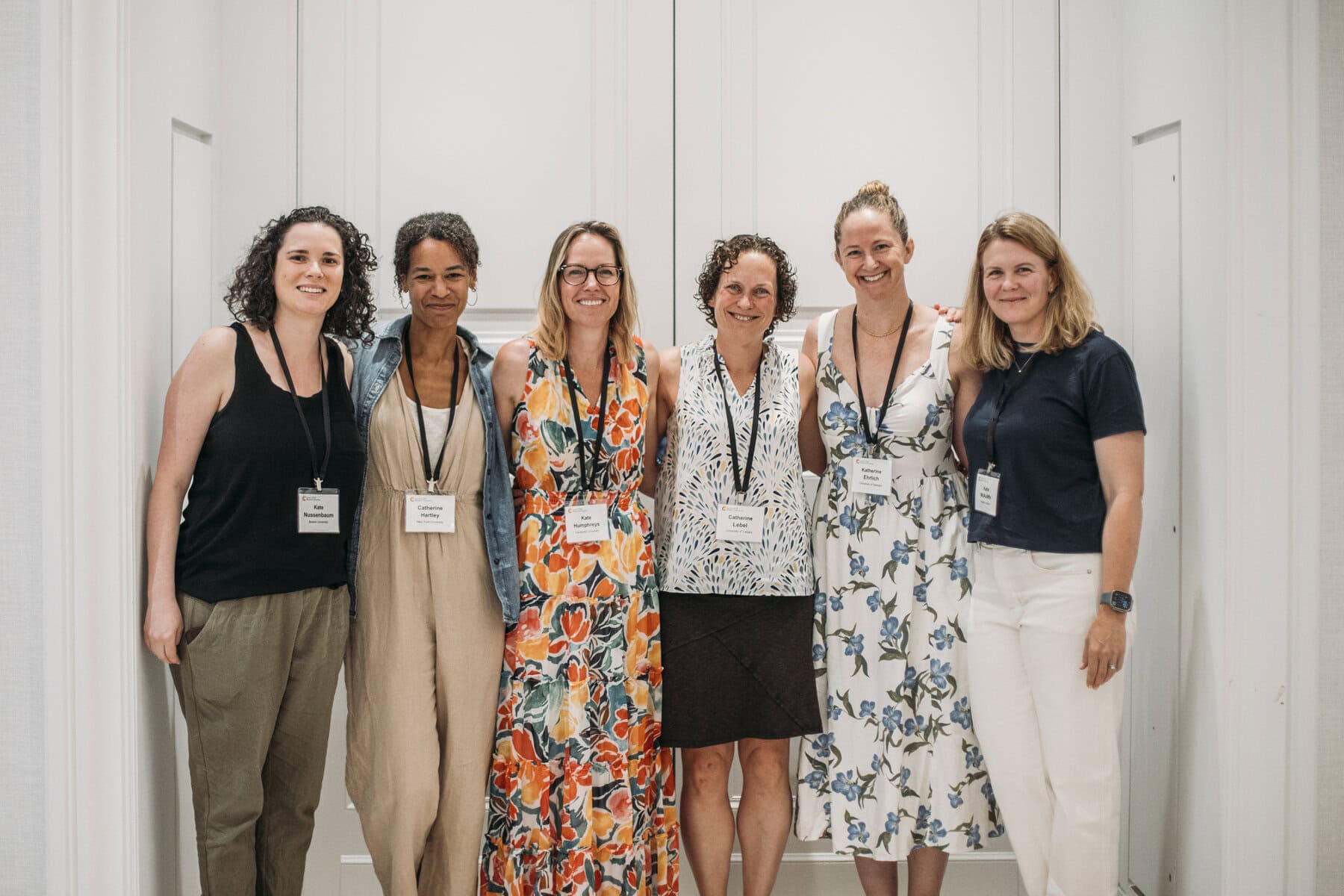
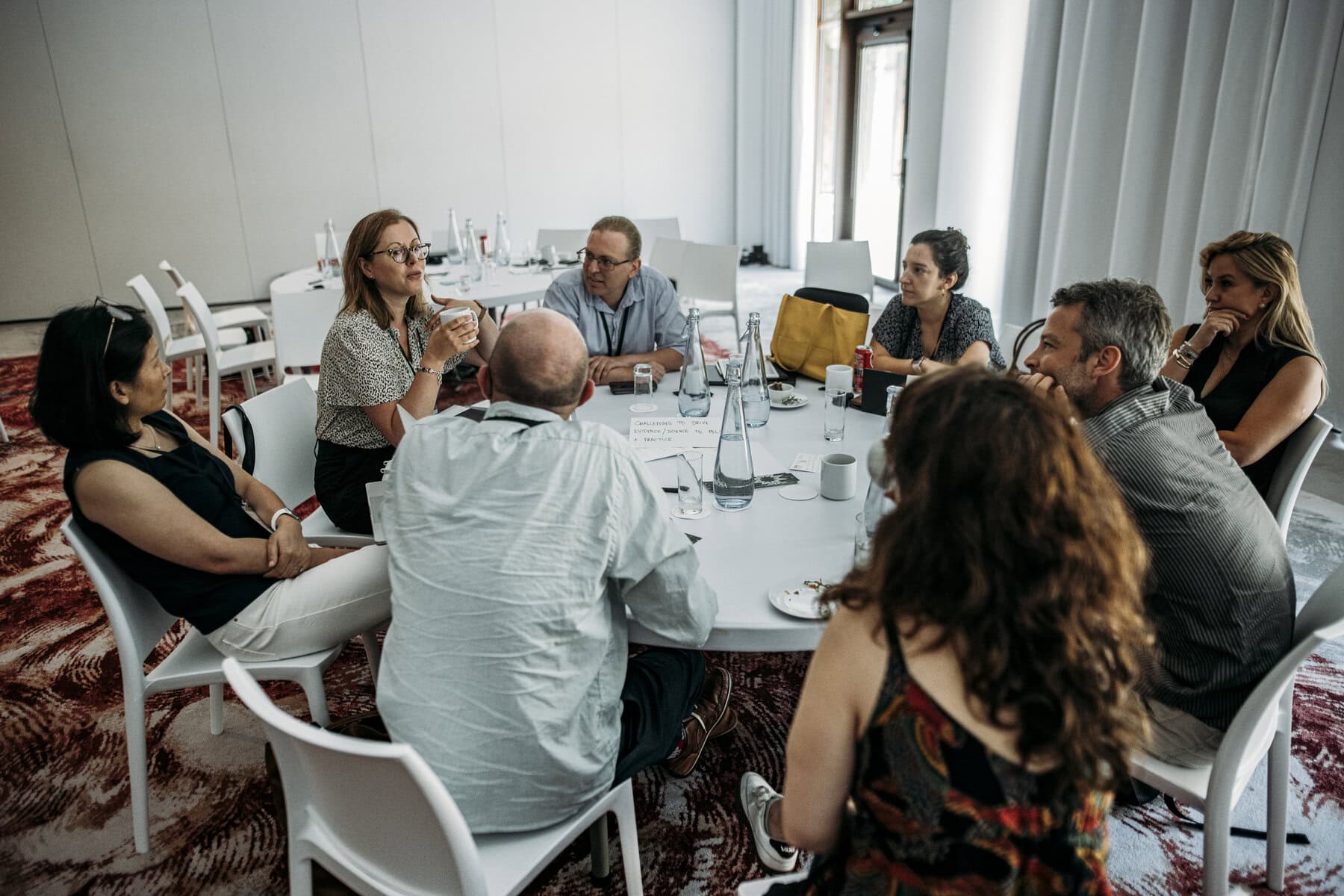
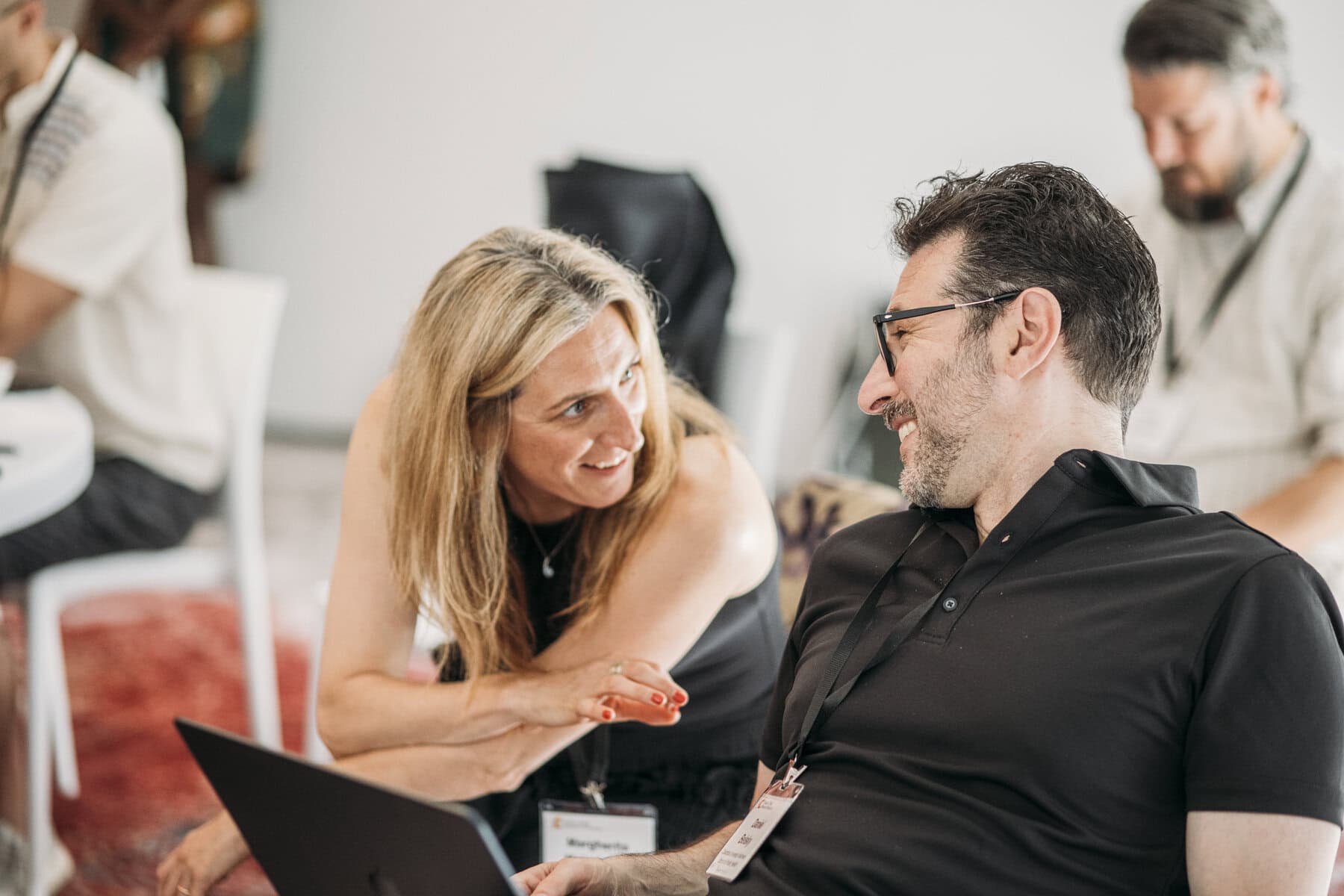
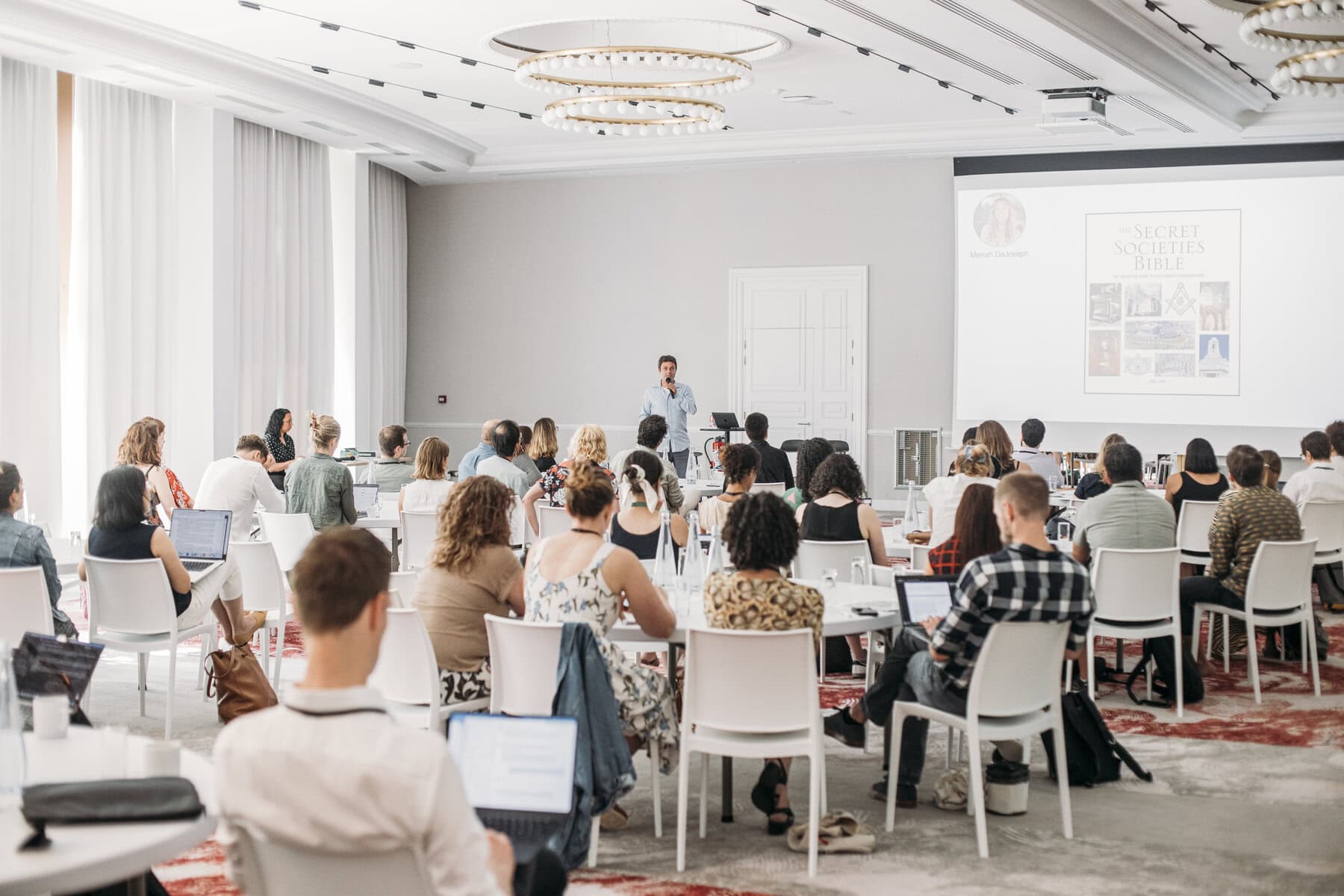
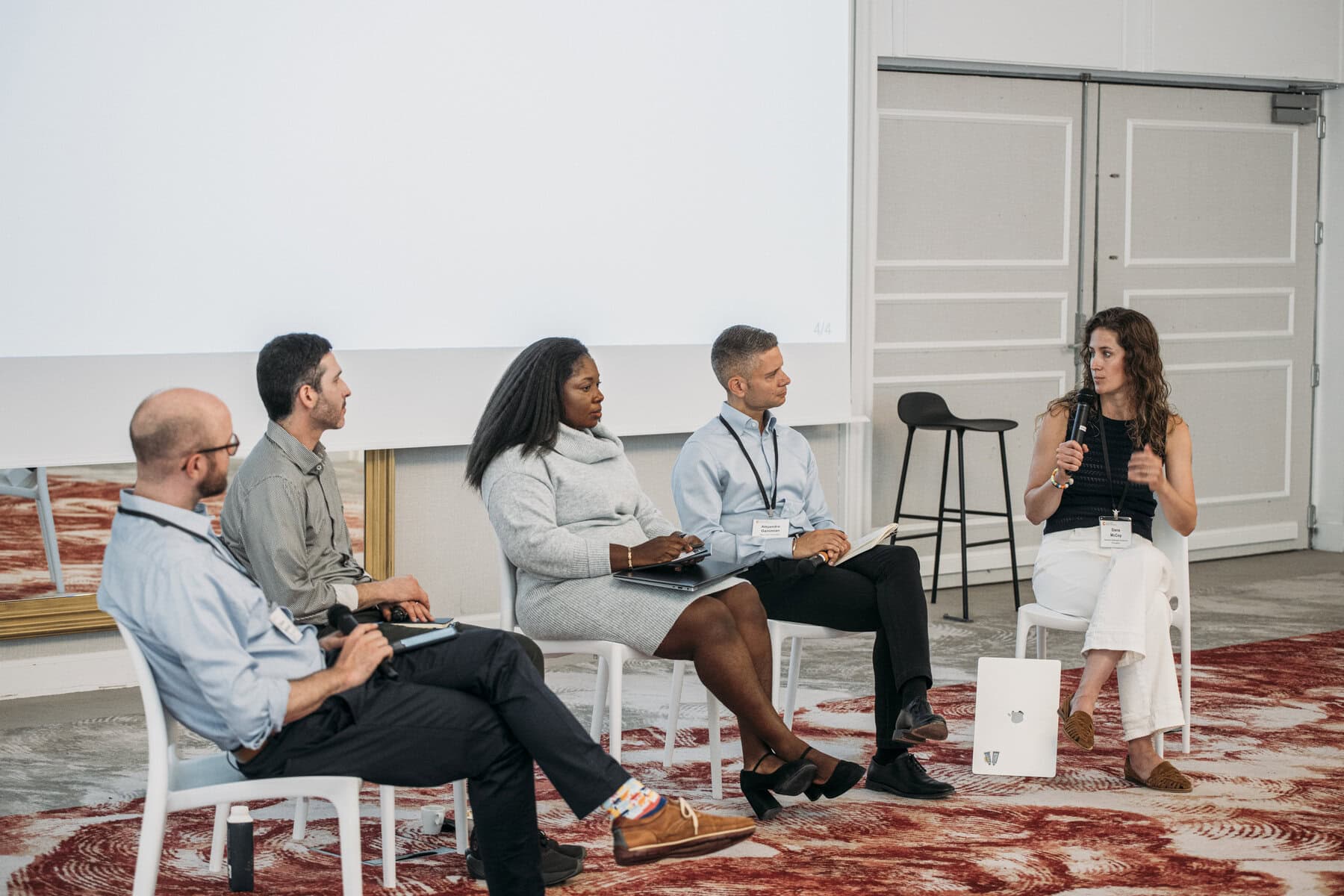
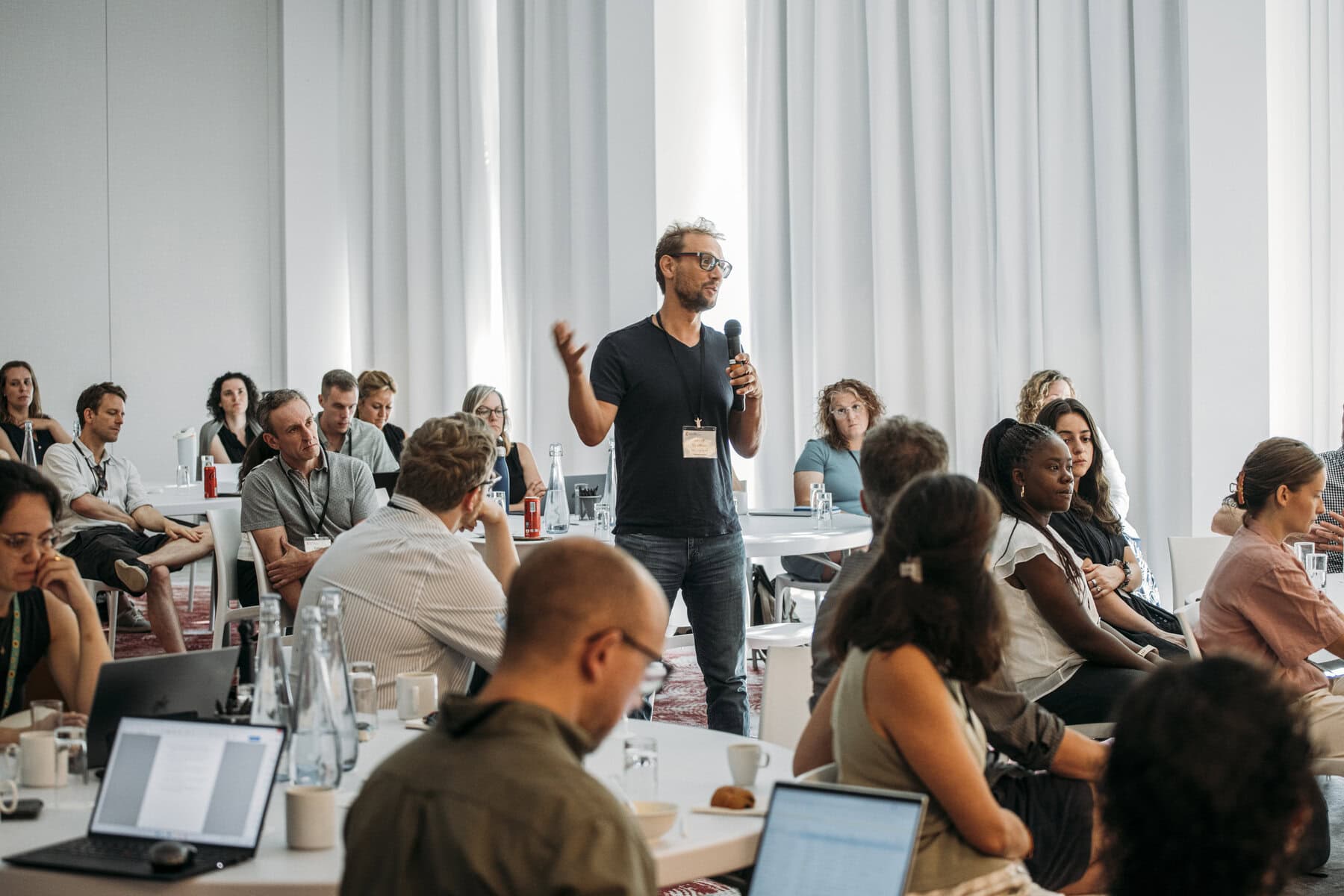
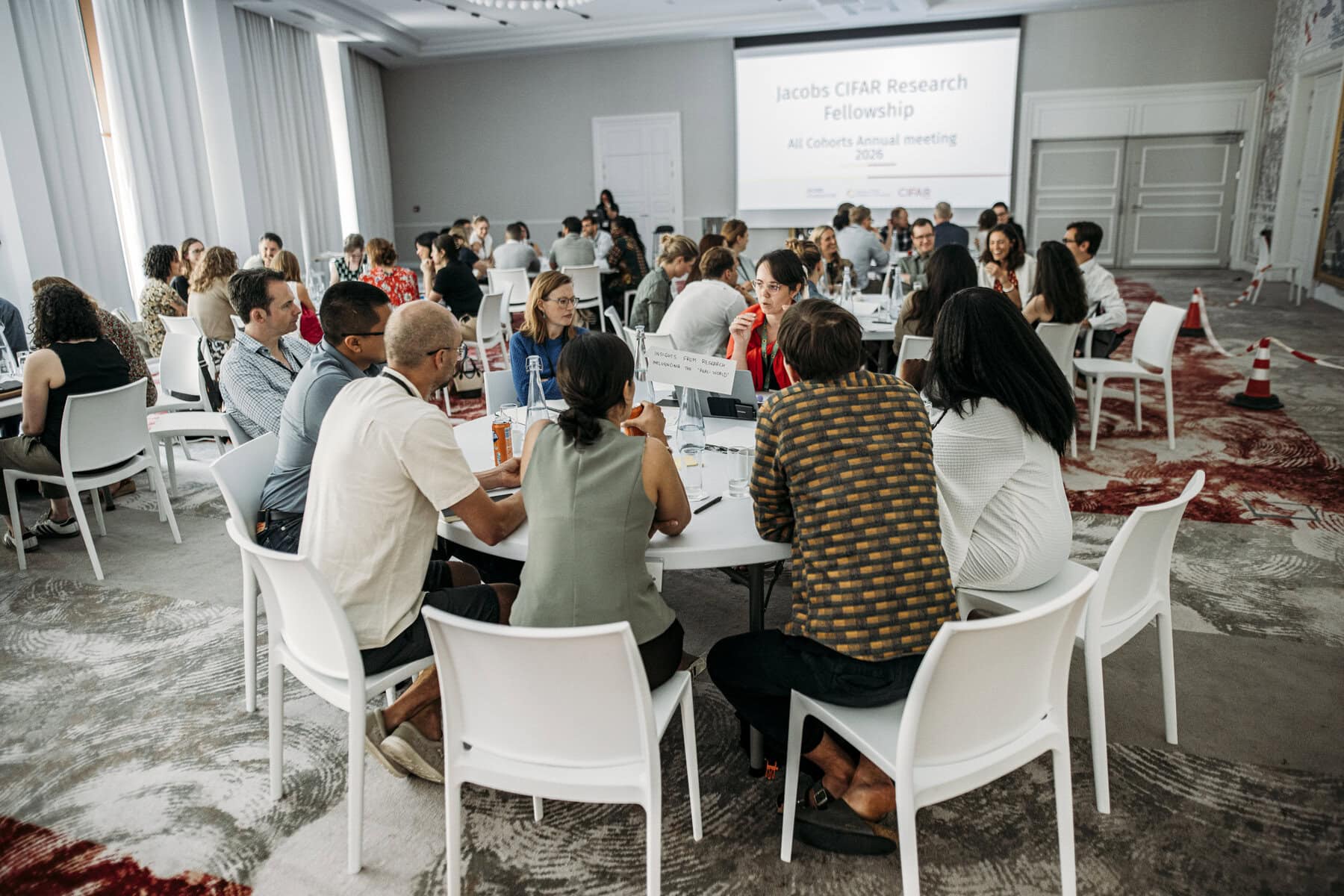
From 23 to 25 June, the Jacobs Foundation and CIFAR brought together Jacobs CIFAR Research Fellows in Versailles for the Fellowship’s ten-year anniversary and the first all-cohorts meeting under the new partnership. For the first time, researchers from the earliest cohort sat with researchers from the newest one. Some were looking back on a decade of collaborations, career decisions, and shifts in the field. Others were entering a community they will now help shape, with the advantage of learning from Fellows who have already lived through different stages of that journey.
For Simon Sommer, Co-CEO of the Jacobs Foundation, seeing that full arc in one room prompted a personal reflection. The Fellowship, he said, was “probably the best thing we ever did.”
The Jacobs Research Fellowship was founded by the Jacobs Foundation ten years ago to support early- and mid-career researchers working on child development and learning. In 2025, CIFAR joined the Foundation in shaping the Fellowship’s next chapter, bringing its experience in building and nurturing research communities across disciplines and countries. The partnership marks a new phase for a fellowship concerned with how researchers think and learn together, and what becomes possible when they do.
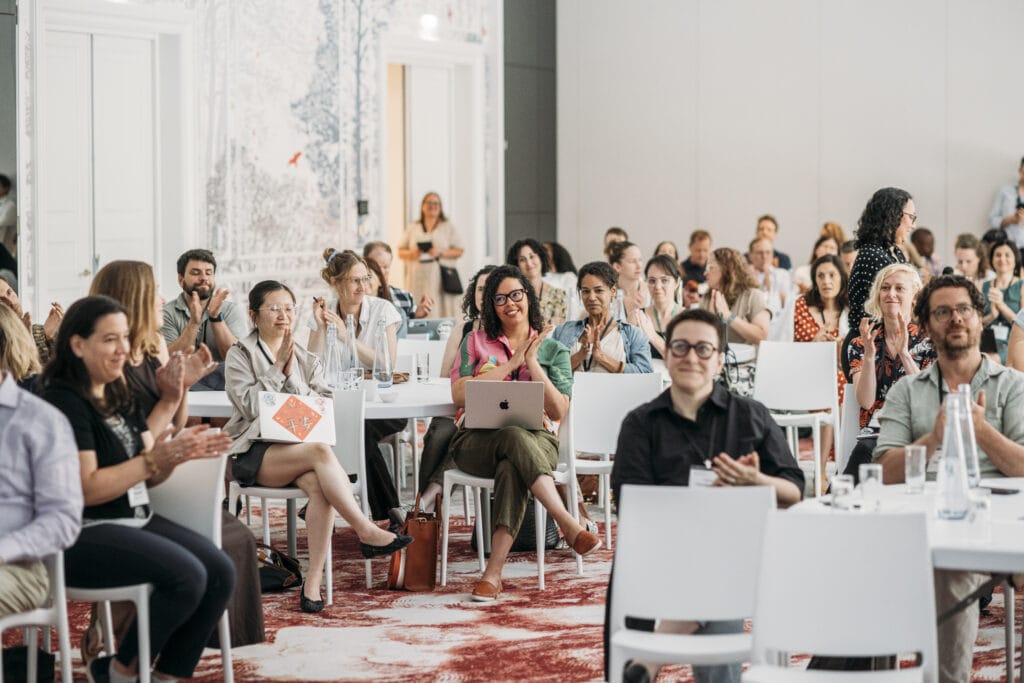
Over the past decade, the Fellowship has connected scholars working across psychology, neuroscience, education, sociology, economics, and related fields. At the all-cohorts meeting, that range showed up in research on brain plasticity, communication about adversity, and self-regulated learning in an era of AI. The range mattered, and so did the exchanges around it. Alumni shared advice on interdisciplinary collaboration, mentorship, career trajectories, and change. Fellows spoke not only as researchers advancing a field, but as people helping one another navigate the conditions under which research careers and collaborations develop.
Noam Angrist, a Jacobs CIFAR Research Fellow, described the gathering as “a rich and rare exchange, from economics to education to psychology.” The phrase captured something central to the meeting: the Fellowship creates space for researchers whose work might otherwise sit far apart to generate and test ideas, share methods, and notice where their questions intersect.
The meeting also included a f oresight session led by the Geneva Science and Diplomacy Anticipator, groundedin the Jacobs Foundation Research Agenda on Learning Variability. Working across ten themes, Fellows identified cross-topic takeaways, including the need for scientific language that can be understood across disciplines; the distinction between descriptive science (what happens), explanatory science (why or how it happens), and normative science (what should happen); and the importance of construct validity, so that concepts are grounded in theory, frameworks, and measures.
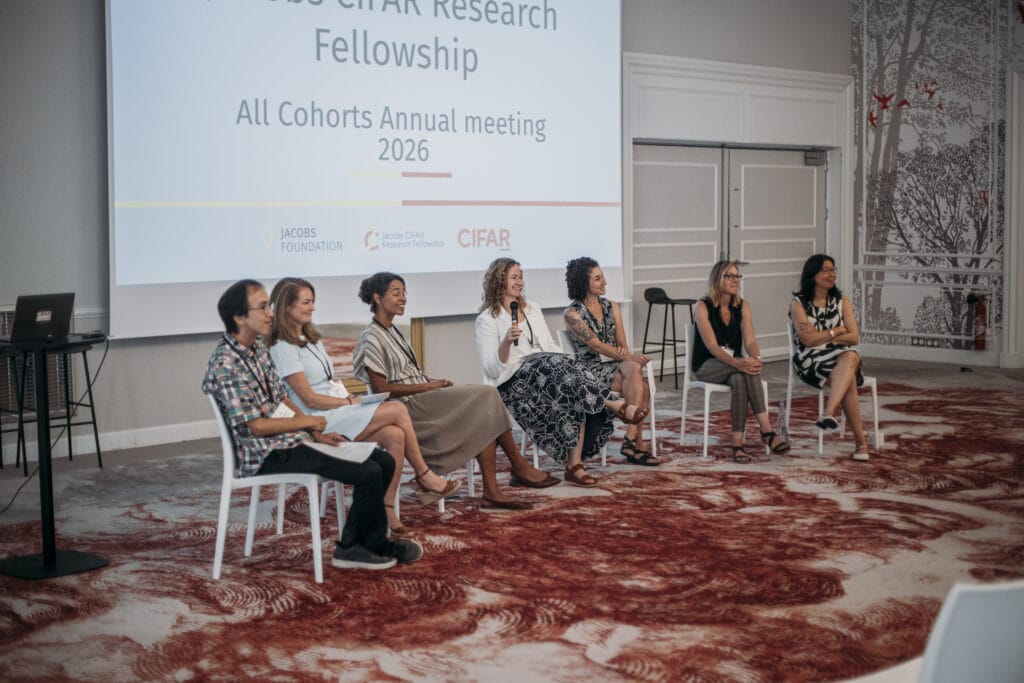
Later in the meeting, Fellows discussed what it takes for evidence to enter policy and practice. One point was that decision-makers do not always come to researchers asking what should be done. Often, they are already working toward a priority and need to understand how to approach it under real constraints. The discussion included the example of a policymaker requesting a short paper-and-pencil survey for young children, a compromise that may fall short of an ideal research design but still offers a practical entry point for decision-making
The all-cohorts meeting also looked ahead. Through the partnership with CIFAR, the Jacobs Foundation will keep supporting researchers through flexible funding and curated spaces for collaboration across disciplines and geographies, while expanding the community that has formed over the Fellowship’s first decade. The next ten years will be shaped by the same premise: that stronger science of learning depends on sustained exchange across disciplines, geographies, and the boundary between evidence and action.