

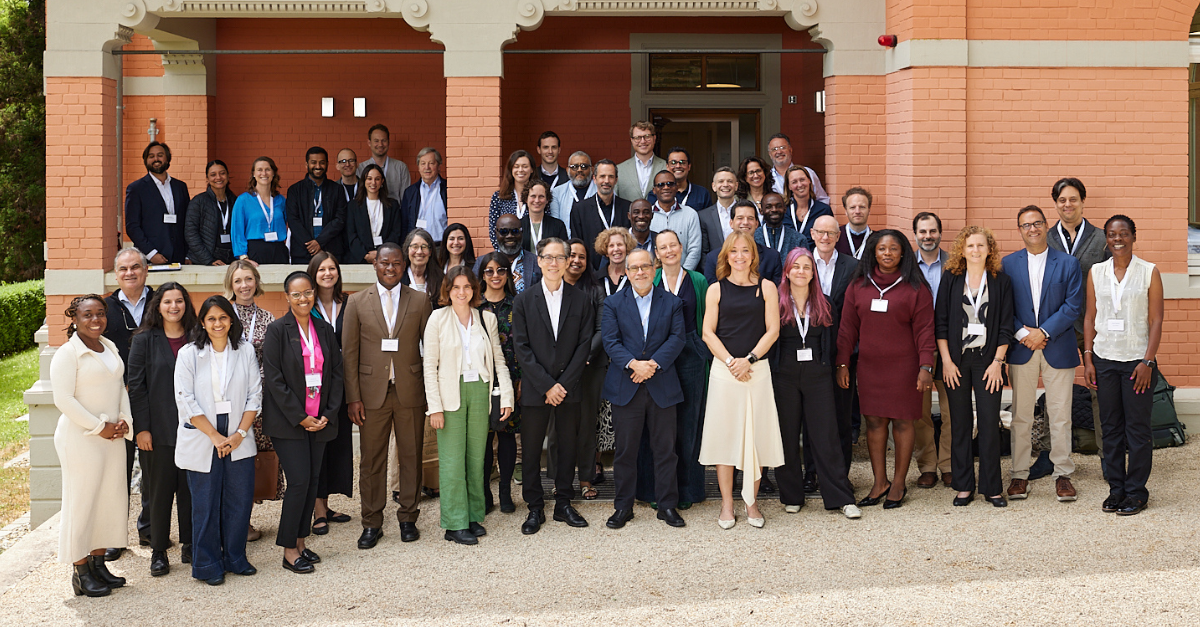
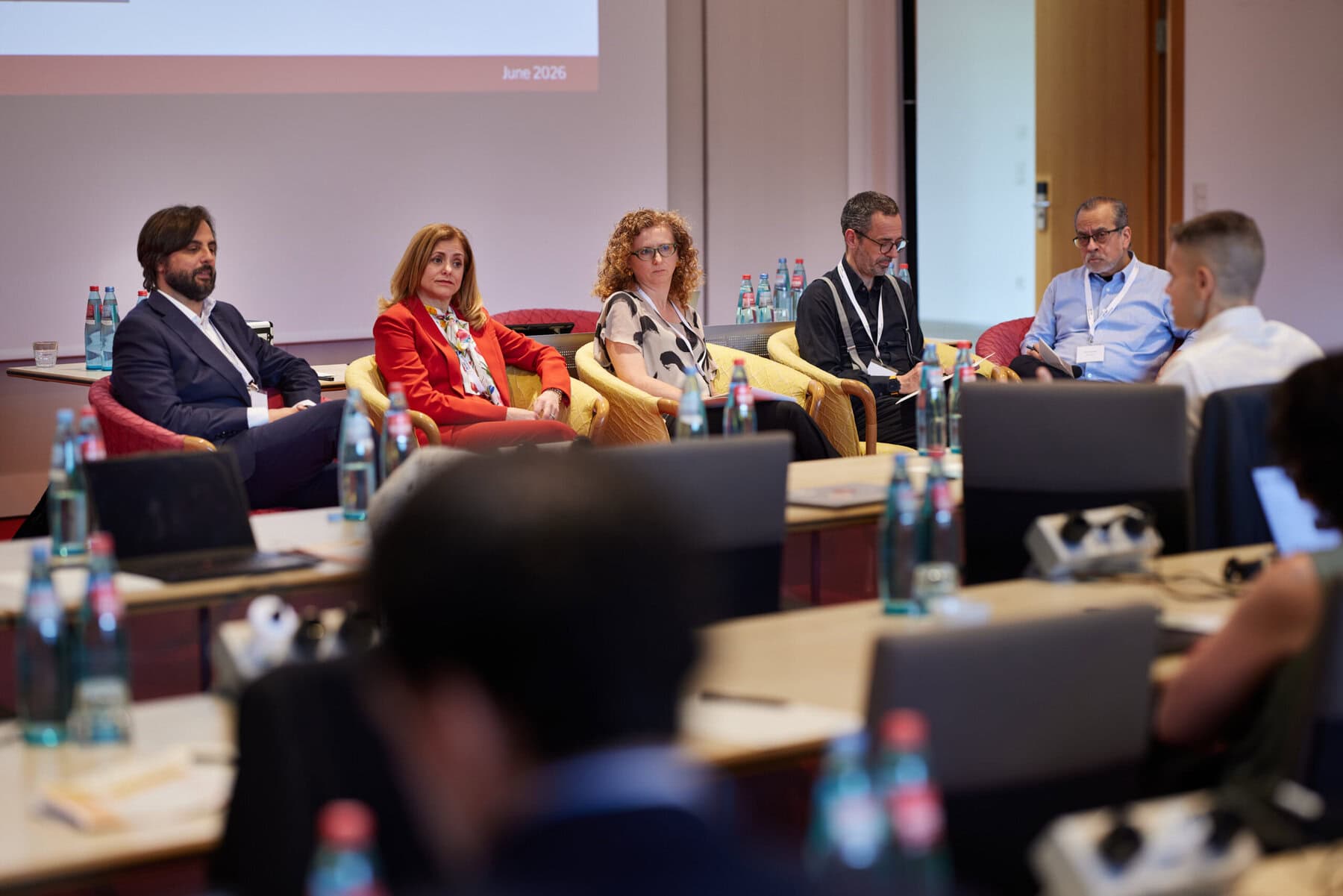
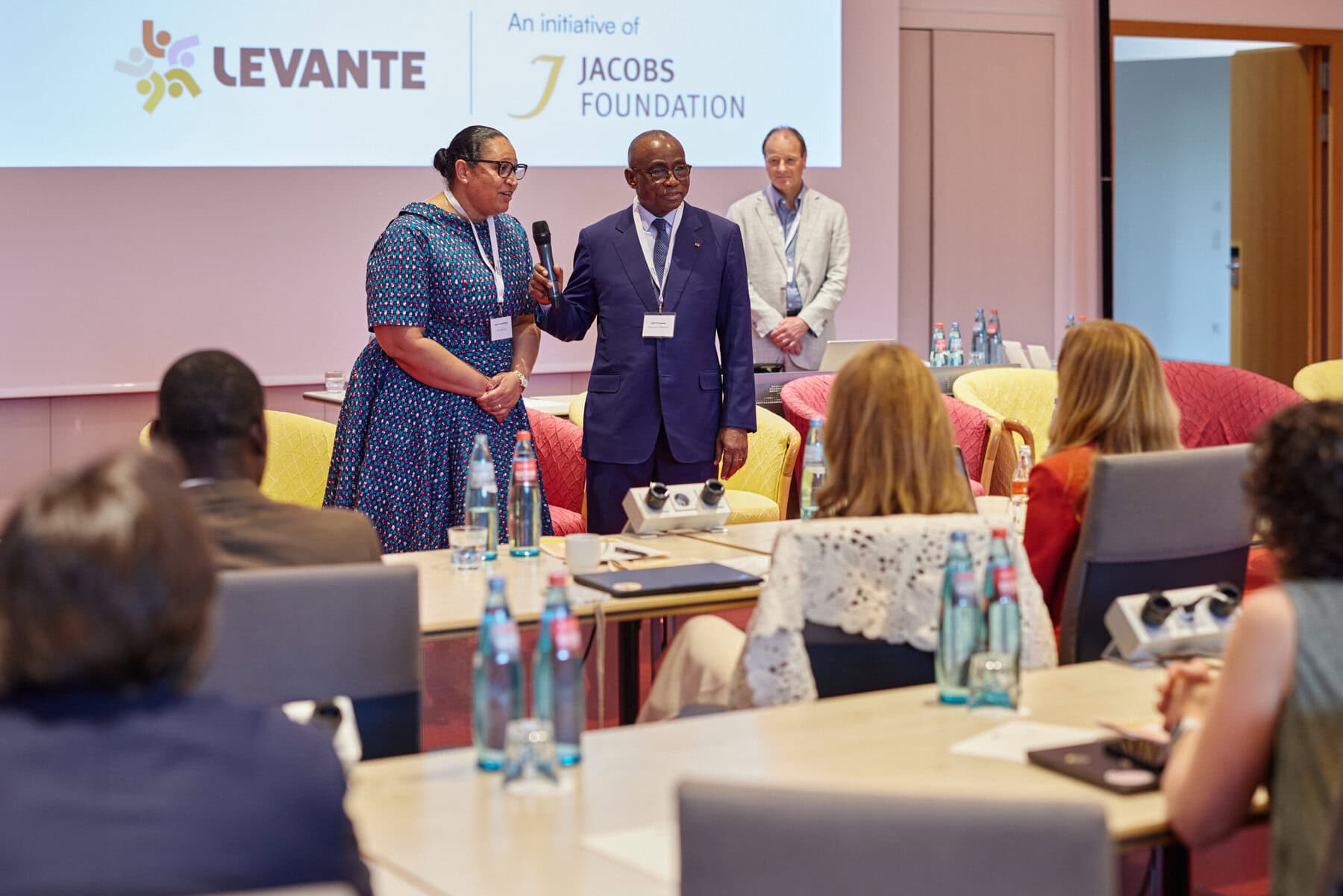
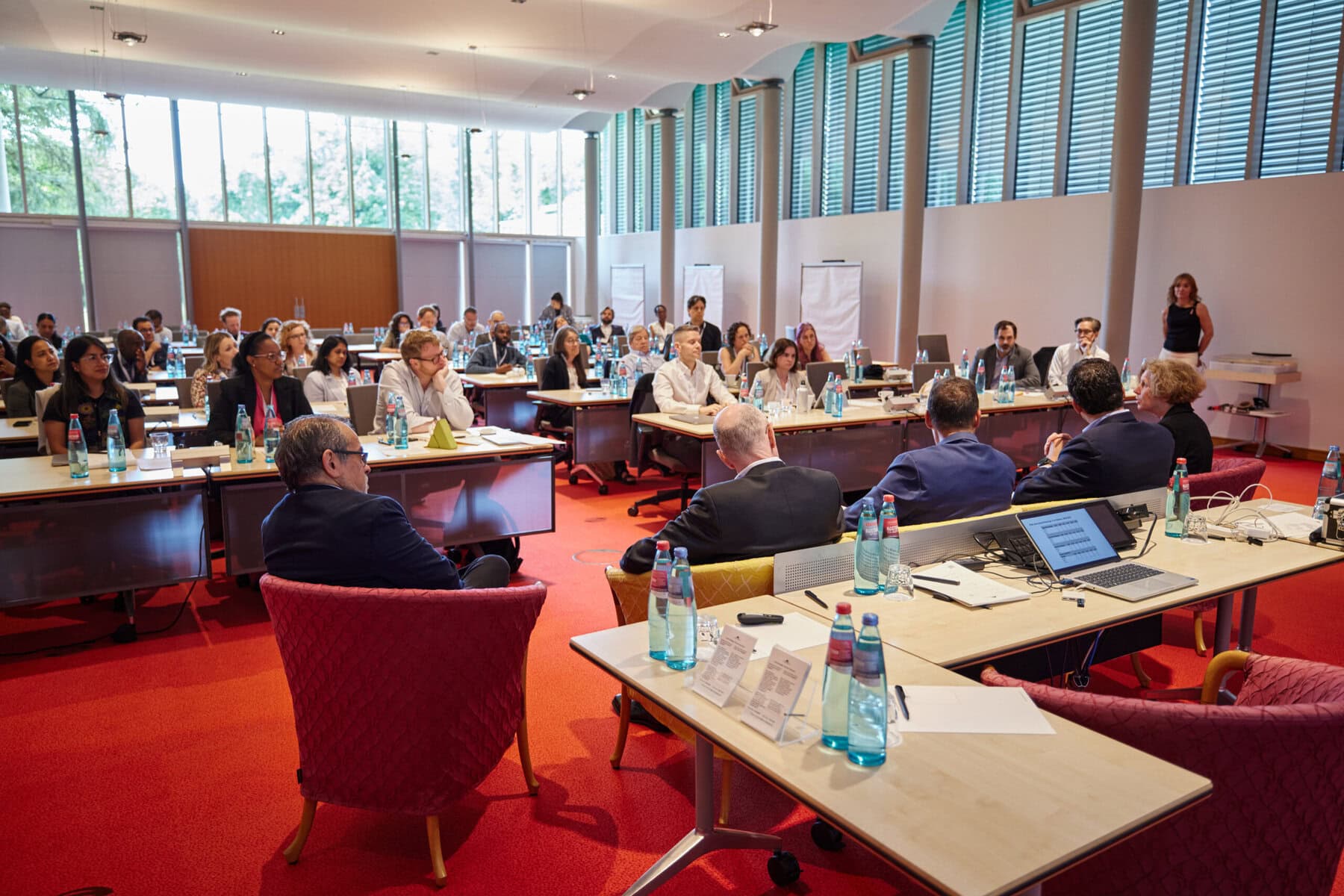
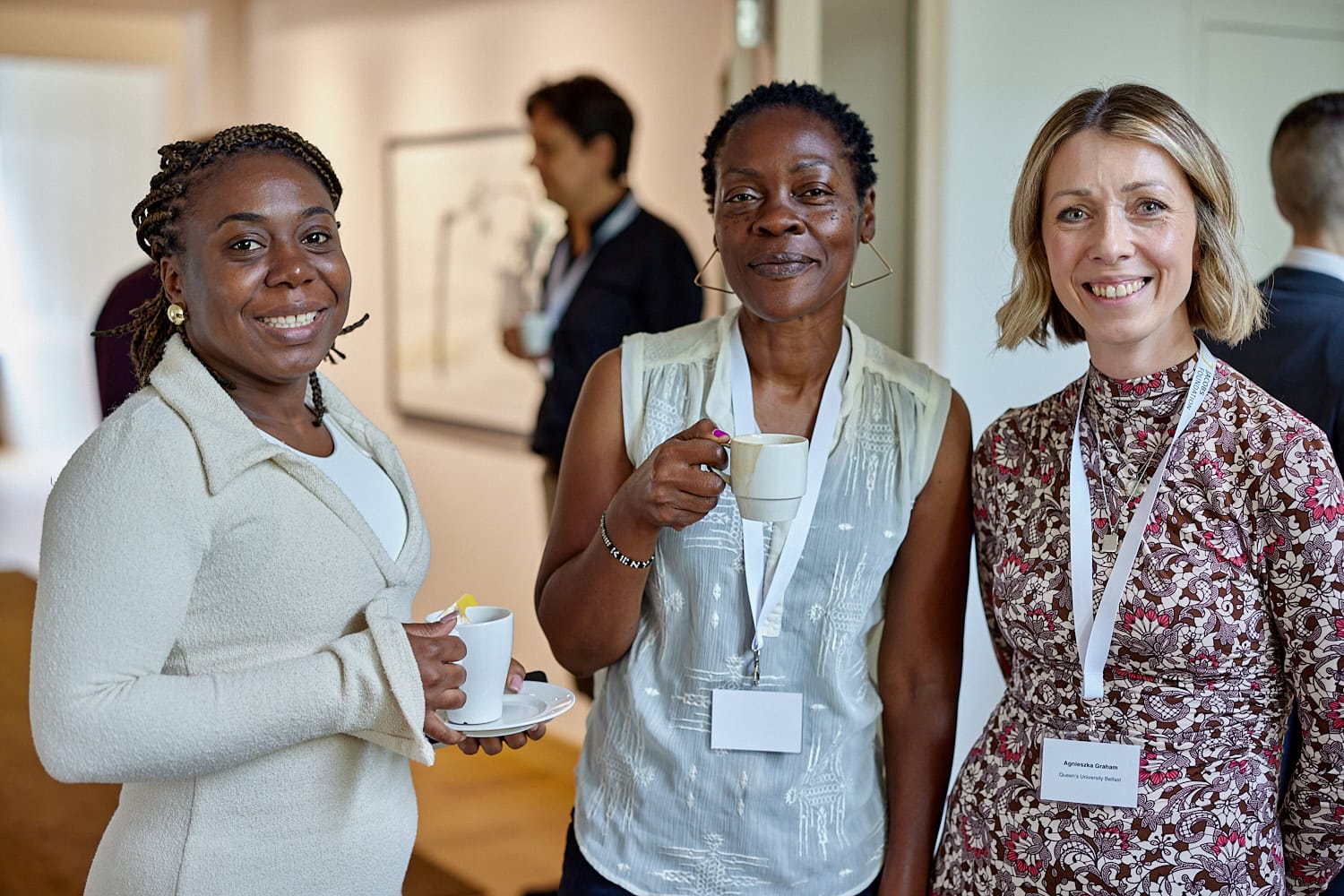
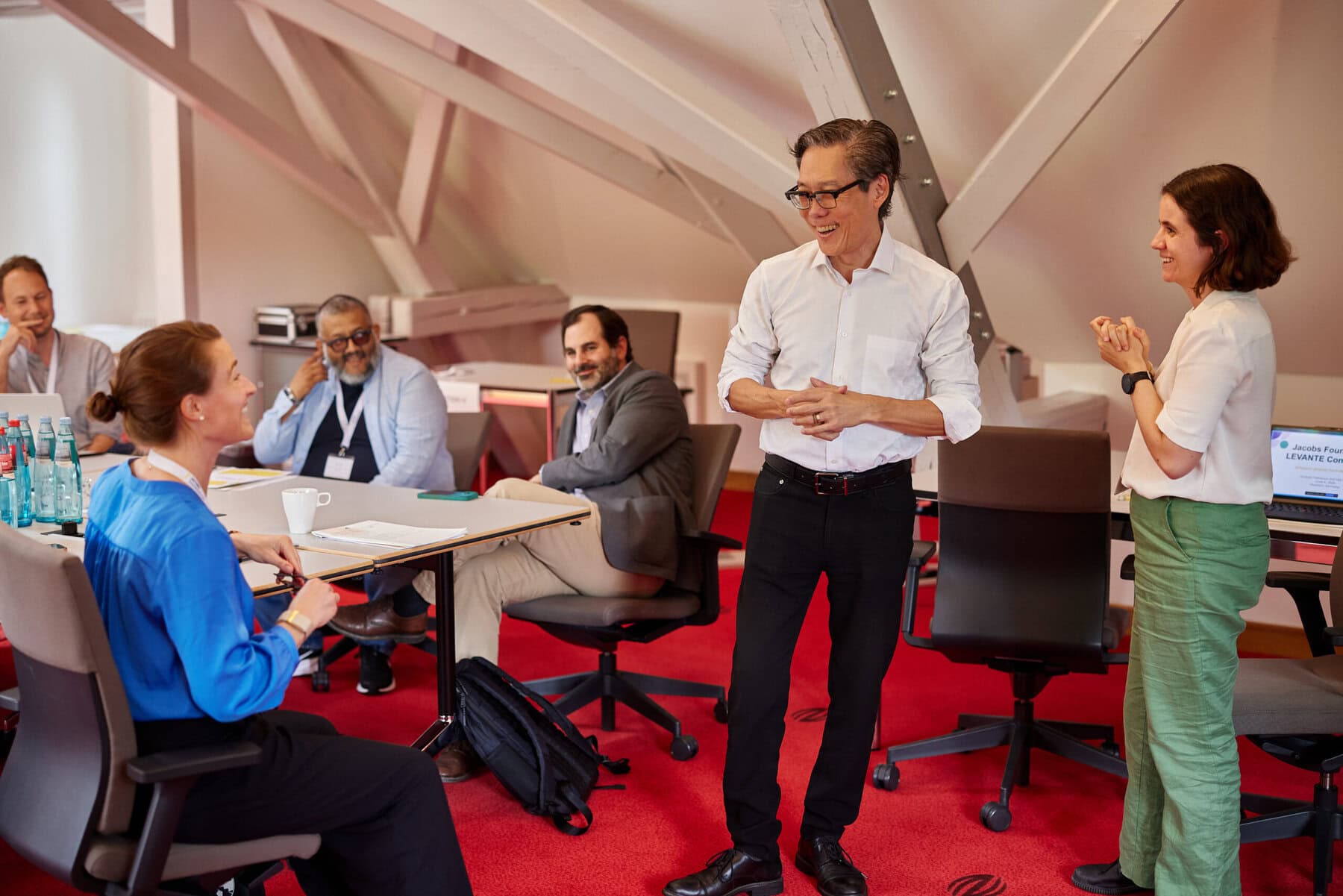
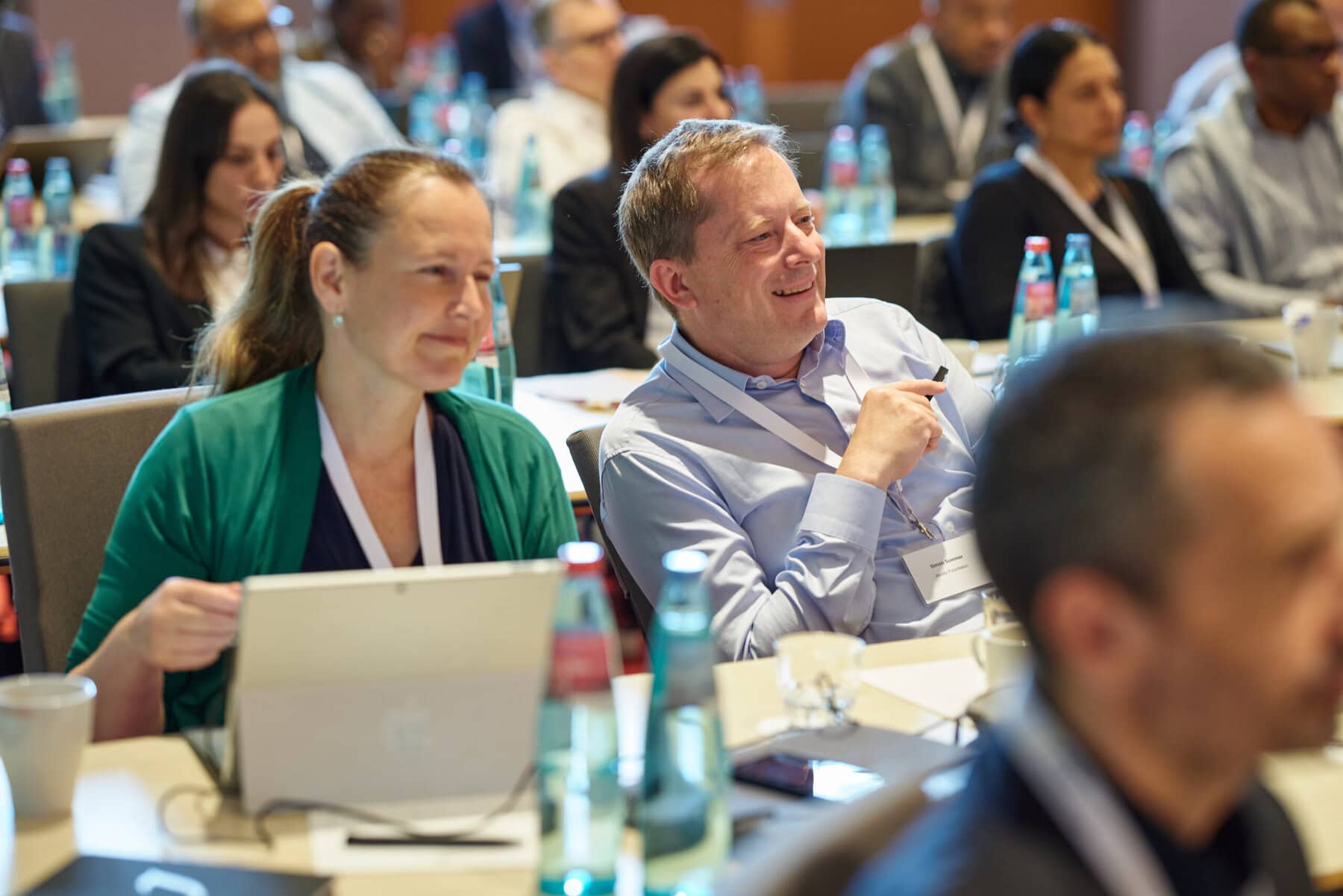
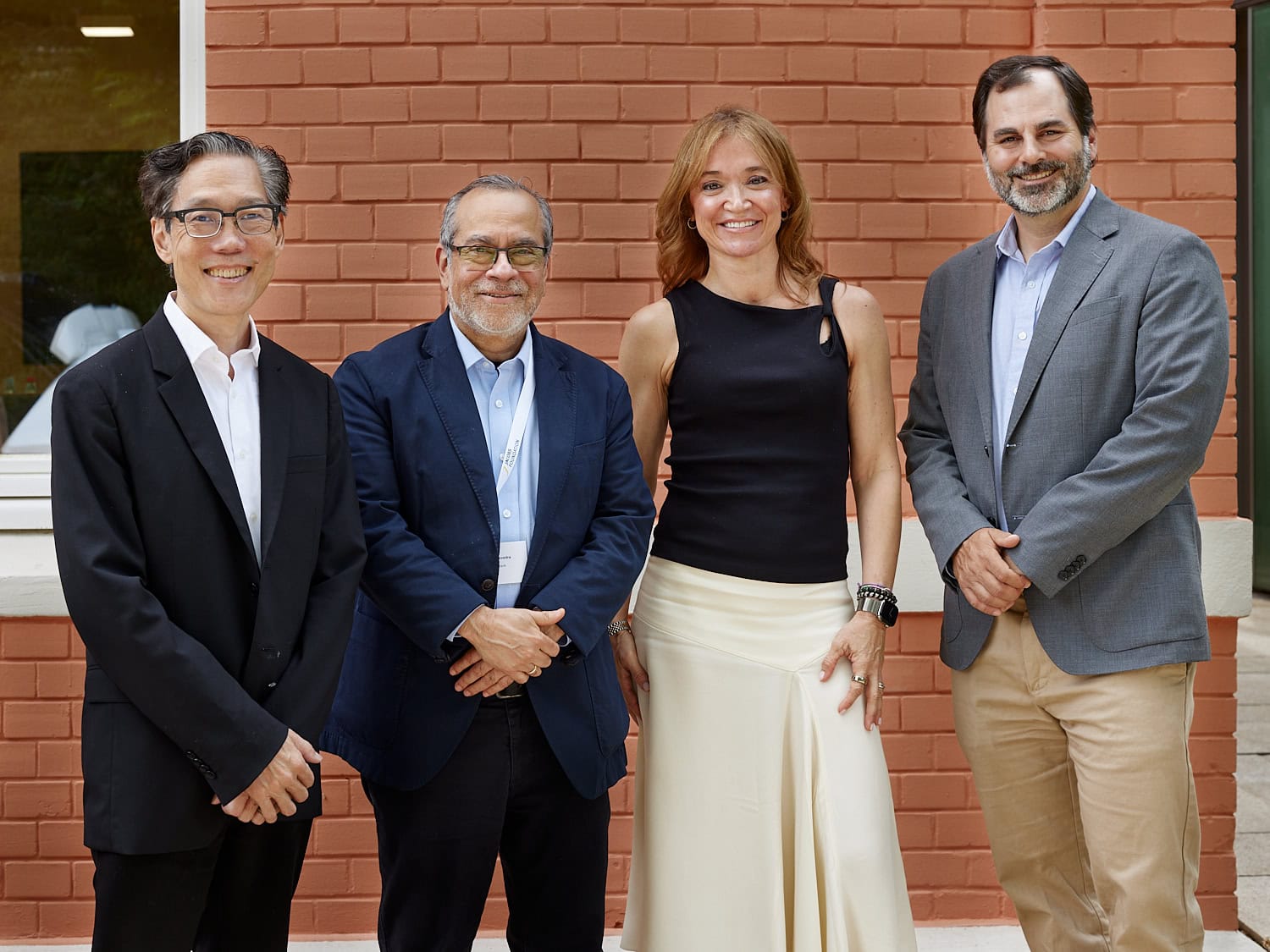
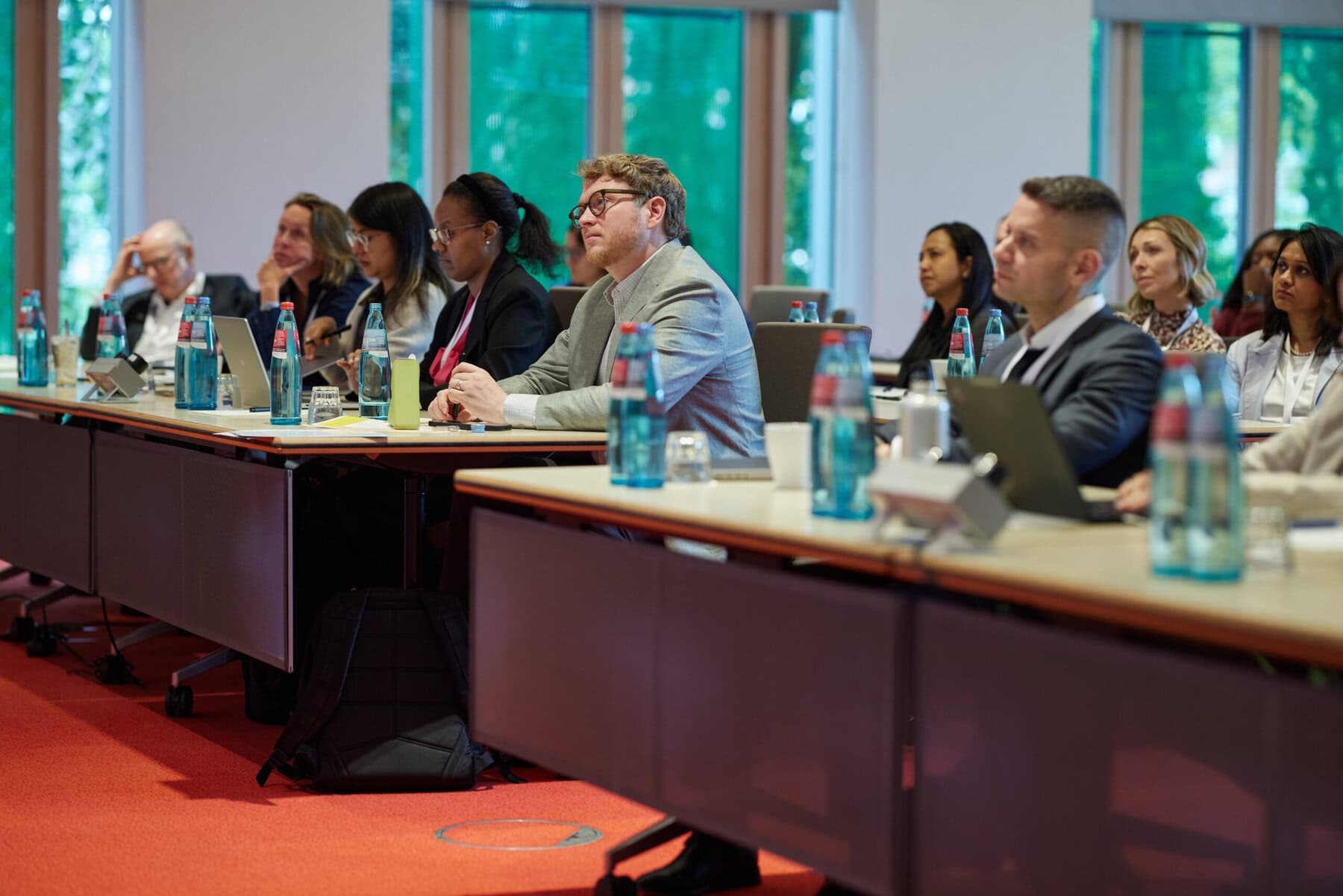
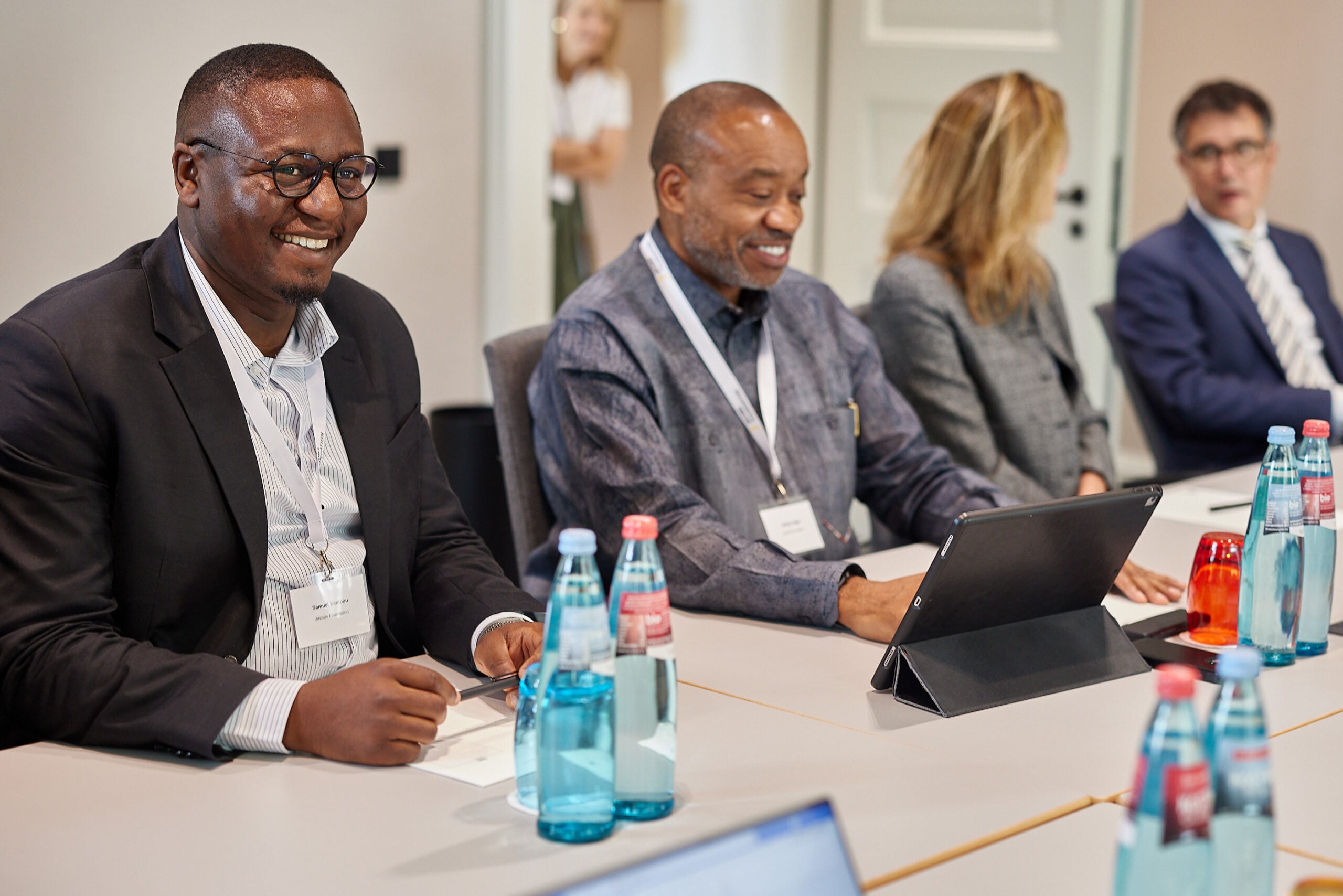
From 3 to 5 June 2026, the Jacobs Foundation convened researchers, policymakers, practitioners, and partners in Marbach, Germany, for its annual conference, “From Evidence to Action: Charting the LEVANTE Roadmap for Education Systems Impact.”
The conference was organized by Hirokazu Yoshikawa and Jaime Saavedra together with the Jacobs Foundation. It brought together senior and early-career researchers, policymakers, practitioners, principal investigators from the LEarning VAriability NeTwork Exchange (LEVANTE), Young Scholars, and partners working across the science of learning, education systems, and evidence-informed policy.
The conference centered on LEVANTE, the Jacobs Foundation’s flagship research program on learning variability. LEVANTE studies how children learn and develop across contexts, populations, and time, using shared measures and coordinated data collection across research sites worldwide.
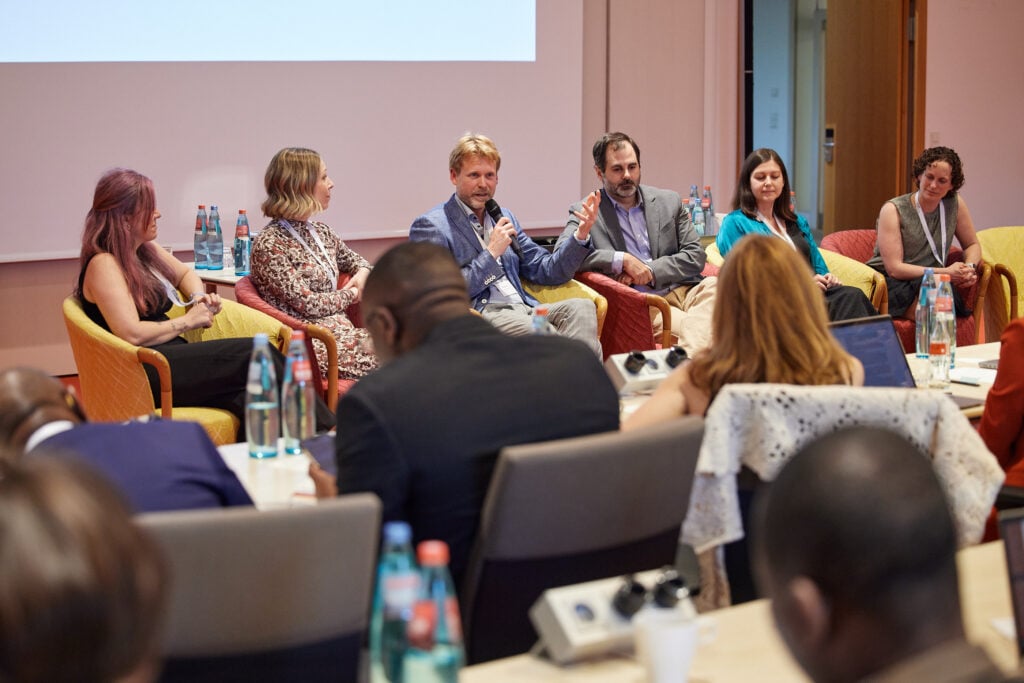
After three years of building infrastructure, developing measures, and establishing a global network of research sites, this year’s conference began charting the next step for LEVANTE: how evidence on children’s learning can better inform education systems, policy, and practice.
A central theme was learning variability. Education systems often rely on evidence designed around the “average” learner, yet children’s learning trajectories are deeply heterogeneous, context-dependent, and uneven. The conference asked what it would mean for education systems to take that variability seriously: in classrooms, in policy, and in the evidence used to guide decisions.

Sessions also examined the broader evidence ecosystem around education. Contributions drew on examples from EdLabs, Mexico’s policy evaluation body CONEVAL, and education reform experiences in the UK, among others. Together, these examples showed how evidence can become credible, relevant, and usable for decision-makers and practitioners, and how it can be carried into practice. In England, performance in PIRLS, an international assessment of children’s reading achievement, rose from 19th place in 2006 to 4th in 2021.
The program also included dedicated sessions for Young Scholars and newly appointed LEVANTE principal investigators, including LEARN scholars from Colombia and Ghana. These sessions created space for early-stage research ideas, feedback from the broader network, and collaboration across sites and disciplines.
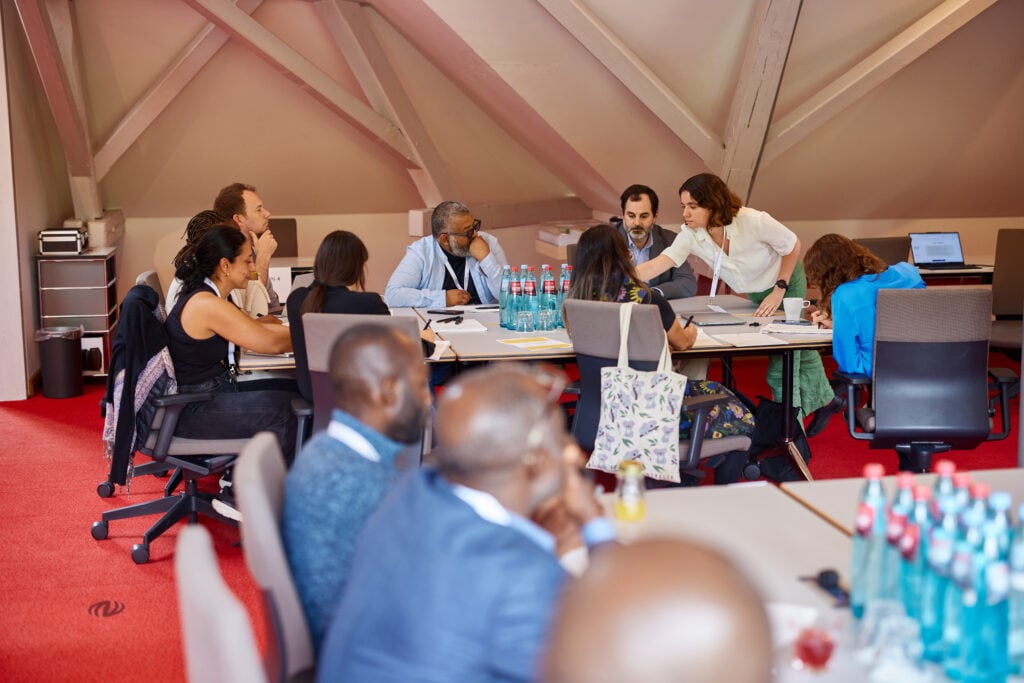
The gathering was not designed as a space for settled answers. It was a space for constructive friction: between research and practice, between evidence and policy, and between the ambition to understand children’s learning rigorously and the realities of the systems that shape that learning every day.
Through these discussions, the 2026 Jacobs Foundation Conference marked an important step in LEVANTE’s roadmap for education systems impact. The task ahead is to continue building both the science and the systems needed to understand how children learn, and to support education systems that can respond to that learning more effectively.